-
Twisted Scriptures

The author reflects on a profound realization while reading Proverbs 22, noticing a significant connection between its message and 1 Peter 3:15. This epiphany reshapes their understanding of righteousness and the importance of adhering to God’s commandments. They emphasize that true wisdom and healing come from safeguarding one’s heart and aligning thoughts with divine instruction.
-
Torah is About God, Not Us
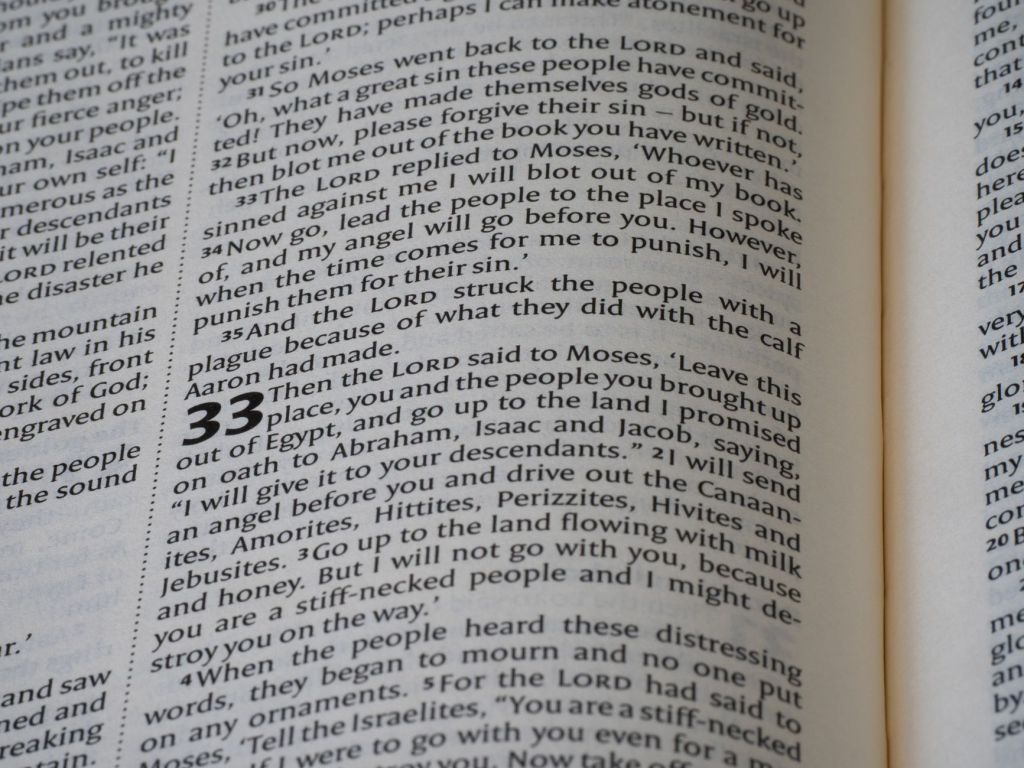
The Torah primarily reveals God’s nature and values, serving as eternal instructions for individuals to align with His Spirit. While some laws are specific to certain groups, the essence of the Torah remains timeless. It urges personal choice in pursuing a relationship with God, emphasizing alignment with His commandments as essential.
-
The Snare of Sincere Counsel: Understanding Self-Deception

The content emphasizes the importance of seeking counsel from individuals aligned with divine principles and warns against the deceit of those misled by their own self-righteousness. It highlights that such individuals, often unaware of their errors, may genuinely believe they are helping others, posing a significant risk to spiritual integrity.
-
Embracing God’s Correction: Steps to Spiritual Alignment

Chastening, often viewed negatively, is a form of divine correction emphasizing God’s deep care for us. According to Scripture, it reflects His love and intention to guide us toward righteousness. Though painful, this correction serves to realign us with His will, highlighting that we are cherished members of His family.
-
The Righteousness of Faith and Law Explained

The fear of the Lord encompasses both discipline and instruction, highlighting that wisdom is actively attained through correction. True righteousness combines external obedience with internal faith. Without integration of both, worship becomes meaningless. The instruction of wisdom is essential for aligning one’s actions with their faith, ensuring genuine righteousness according to Scripture.
-
Righteousness: A Timeless Standard in Faith

The concept of righteousness is anchored in the original Scriptures, remaining unchanged despite modern interpretations. Both the Old and New Testaments affirm the continuity of God’s laws, with Jesus emphasizing adherence to commandments. Righteousness is defined by divine authority, and ignoring these principles risks profaning God’s holiness and sacrifice.
-
Understanding Your Heart: Dealing with Bitterness and Toxicity
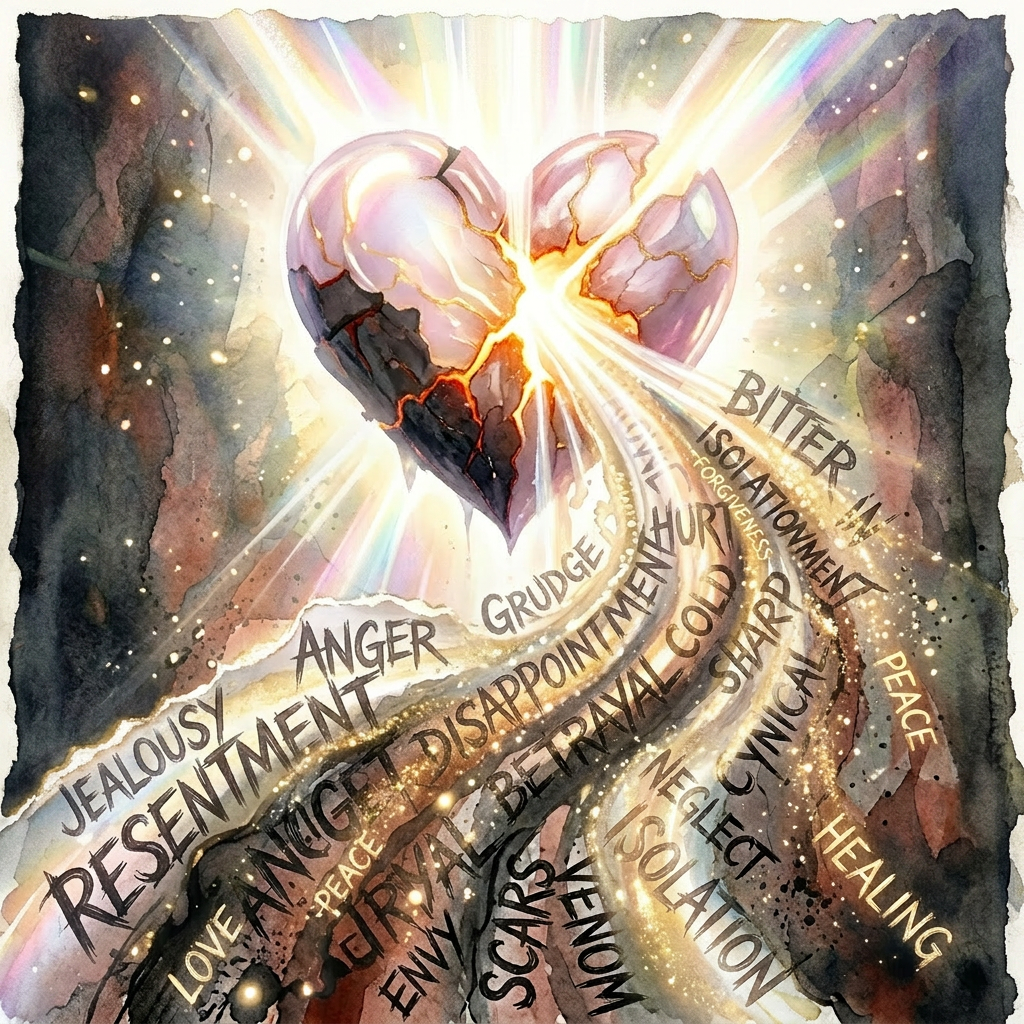
The content emphasizes the importance of guarding one’s heart, as it influences all aspects of life. Negative emotions like bitterness and anger reside within, often unnoticed. Denying these feelings does not eliminate them; rather, it can lead to expressing unresolved emotions negatively towards others. Acknowledging and processing past experiences is crucial for emotional resolution and…
-
The Cost of Iniquity

Jesus was speaking to people who believed they had a relationship with Him when He said, “Depart from Me, ye that work iniquity.” To understand the weight of Jesus’s statement (Matthew 7:21-23), we have to look past the English word Iniquity and into the specific Greek word used: anomia. This word serves as a direct…
-
Two Depictions of A Lion

Have you ever thought about how a lion is depicted in two contrasting lights in Scripture? There is the lion of Judah, and there is the devil as a roaming lion, walking about, seeking whom he may devour (1 Peter 5:8). One depiction of the lion stands in might, power, truth and righteousness and is…
-
How Easy It Is to Be Deceived

The Scriptures talk about how once we come to knowledge of the Word of God, if we continue in sin, the Holy One of Israel gives us over to a reprobate mind. Here’s the Scripture definition of sin: Sin is transgression of the Law. – 1 John 3:4 The Scriptures also describe how if we…
-
Subscribe
Subscribed
Have a WordPress.com account? Log in now.

